AnthropologyMarch 14, 2025
Ancient DNA Shows Stone Age Europeans Voyaged by Sea to Africa
Roughly 8,000-year-old remains unearthed from present-day Tunisia held a surprise: European hunter-gatherer ancestry
Ancient DNA Shows Stone Age Europeans Voyaged by Sea to Africa
Roughly 8,000-year-old remains unearthed from present-day Tunisia held a surprise: European hunter-gatherer ancestry
What Sniffing Mummies Taught Scientists about Ancient Society
Mummy aroma may provide insight into social class and historical period, according to a team of trained mummy sniffers

Read all the stories you want.

Could Plate Tectonics Crack Open Earth’s Deepest Mystery?
Plate tectonics, or the recycling of Earth’s crust, may have begun much earlier than previously thought—and may be a big reason that our planet harbors life
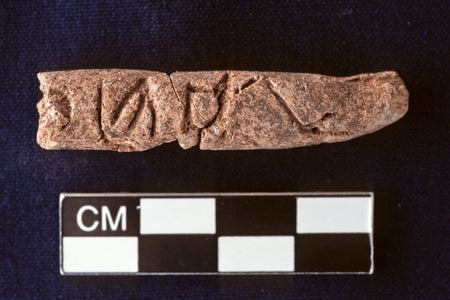
World’s Oldest Alphabet Found on an Ancient Clay Gift Tag
A finger-sized clay cylinder from a tomb in northern Syria appears to be the oldest example of writing using an alphabet rather than hieroglyphs or cuneiform
When Did Human Ancestors Start Using Tools?
The 3.2-million-year-old human ancestor known as Lucy sparked a revolution in scientists’ understanding of the origins of clever hands and stone tools

The Surprising New History of Horse Domestication
Archaeological and genetic discoveries topple long-standing ideas about the domestication of equines
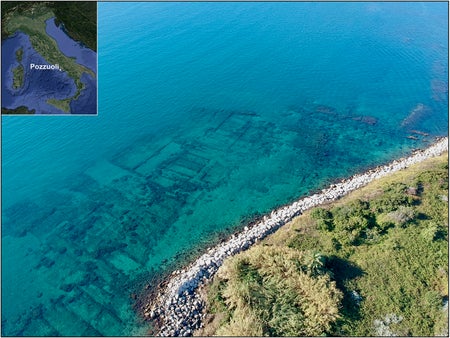
Sunken Temple of Ancient Arabian Civilization Found off Italy
An ancient temple made by Arabian immigrants from the Nabataean culture has finally been found off the Italian coast
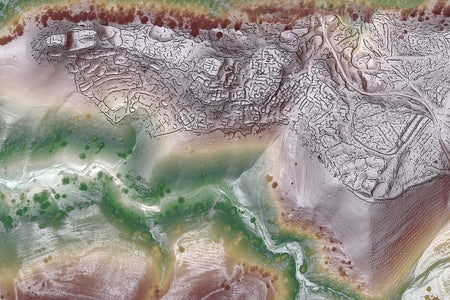
Lost Silk Road Cities Discovered High in the Mountains of Central Asia
On the Silk Road, these lost twin cities may have sustained themselves in a foreboding landscape with metallurgy and commerce
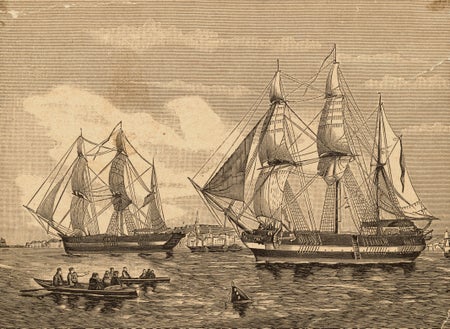
Cannibalized Captain of Doomed Arctic Expedition Identified by DNA Analysis
Scientists reveal the identity of a cannibalized captain from the doomed Northwest Passage expedition of 1845 to 1848
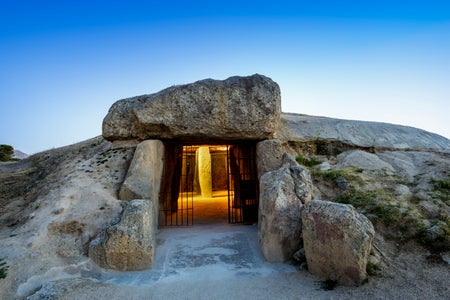
Massive Megalith That Predates Stonehenge Shows Science Savvy of Neolithic Humans
A survey of the Dolmen of Menga suggests that the stone tomb’s Neolithic builders had an understanding of science
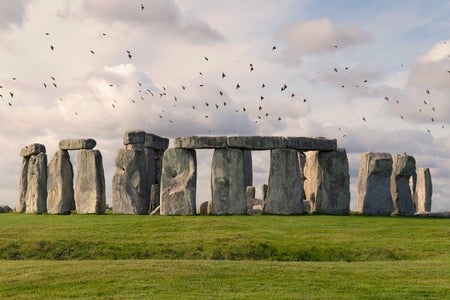
Stonehenge’s Strangest Rock Came from 500 Miles Away
A new analysis of Stonehenge’s “Altar Stone” suggests Neolithic people walked or sailed some 500 miles to transport the six-ton boulder

Extreme Conditions and Ethical Dilemmas: The Archaeology of Human Sacrifice
A mountaintop burial site offers a glimpse into Inka life—but raises ethical questions about unearthing ancient human remains.